September 29, 2026
by John Baich, SECC Chair & CBA ABIP Inspector
Sangre de Cristo Broadcast Consulting, LLC
Fall Maintenance Checklist for Broadcasters
Prepare studios, transmitters, remote sites, and backup systems before winter limits access.
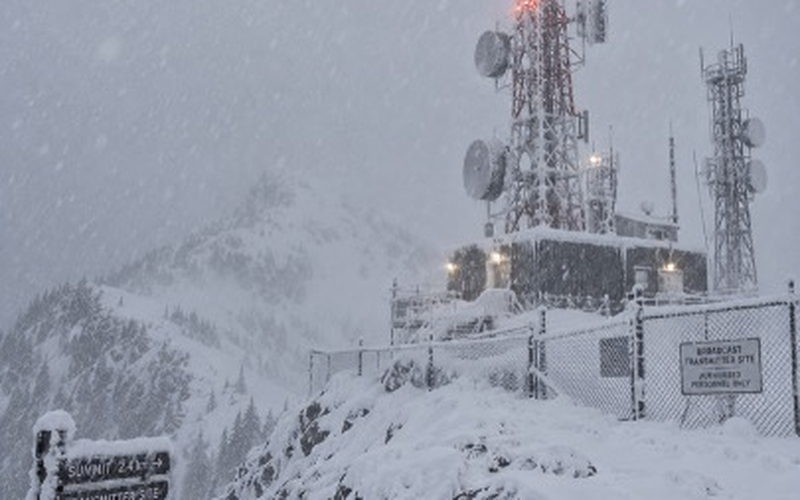
Winter is right around the corner. For broadcasters in Colorado, fall is the time to inspect critical systems, correct small problems, and stock remote sites before snow and ice turn routine service calls into major logistical challenges.
A winter outlook worth planning for
NOAA is monitoring a strong 2026–2027 El Niño. Historical patterns do not guarantee a particular outcome at any one location, but they can help stations plan for elevated winter risk. In Colorado and the central Rockies, strong El Niño events have often been associated with:
- Cooler-than-average midwinter conditions across southern Utah and southern Colorado.
- Near- to below-average temperatures across much of the central Rockies and central Plains during the fall and spring shoulder seasons.
- A more active subtropical jet stream, increasing the potential for cool-season precipitation and snowfall across southern and eastern Colorado.
- Near- to below-average midwinter mountain snowfall in northern Colorado, even though wetter conditions may extend north during fall and spring.
- Warmer-origin storms that can raise snow levels and increase the chance of rain at lower elevations.
- Lower forecast confidence in northern Colorado, which often lies between the strongest temperature and precipitation signals.
The operational takeaway is simple: mountain-site access may be limited for extended periods. Complete fall and winter maintenance early, before roads become difficult or impassable.
Seven maintenance priorities
1. Verify clocks and timestamps
Daylight saving time ends Sunday, November 1, 2026, at 2:00 a.m. local daylight time, when clocks return to 1:00 a.m. local standard time. Although much of today’s equipment uses Network Time Protocol, many legacy and non-IP devices do not.
Confirm that transmitter autologging, automation, traffic, and other operating systems agree with the station’s official time. Verify that EAS equipment displays and uses the correct time.
2. Secure the EAS environment and connected systems
The FCC’s new EAS cybersecurity rules take effect September 29, 2026. They require EAS Participants to secure EAS equipment through strong passwords or qualifying alternative authentication, promptly install security updates, and use firewalls and network segmentation where appropriate.
Review EAS encoders and decoders, audio-over-IP equipment, automation systems, transmitter remote controls, and other connected devices. Change default credentials, use unique passwords, enable multifactor authentication where supported, and confirm that remote access is protected. The FCC defines a strong password as at least 15 characters without dictionary words. Also check memory-backup batteries in equipment that depends on them.
3. Service HVAC and site ventilation
Colorado and New Mexico facilities can move from overnight heating to full-load cooling in a single day. Check filters, controls, thermostats, refrigerant or glycol levels where applicable, and alarms. Inspect remote-site ventilation fans along with door and window seals.
4. Test standby power
Inspect UPS and generator batteries for proper charge, electrolyte levels where applicable, and clean, corrosion-free connections. Exercise generators under load, review alarms, and top off fuel tanks before winter access becomes uncertain.
5. Block rodents before they move in
Rodents can quickly damage electrical and broadcast systems, and warm equipment racks are especially inviting. Seal entry points, inspect traps and deterrents, and look for nesting material, droppings, or damage to soy-based wire insulation.
6. Exercise auxiliary transmission systems
Operate backup transmission facilities long enough to confirm proper performance and FCC compliance. Review the entire broadcast chain—from studio source to over-the-air signal—and correct weaknesses before the primary system fails.
7. Inspect antennas and deicing systems
Check satellite-antenna heaters, actuator or jack lubrication, feed-horn covers, and weather seals. If broadcast antennas use deicers, test them now. Finding a failed heater during a VSWR event is too late.
Finish with a documented site review
Record what was inspected, what was tested, and what still needs attention. Confirm that contact lists, access arrangements, spare parts, fuel plans, and snow-removal resources are current. A few disciplined hours this fall can prevent extended downtime—and an expensive emergency trip—later this winter.
References
NOAA seasonal guidance and historical El Niño patterns; FCC Report and Order FCC 26-38, effective September 29, 2026.